Finance tailored to you
Get the most competitive quotes from our extensive panel of lenders

Written by Stuart Buchan - Agriculture Finance Specialist
Key Takeaways
Farming income rarely arrives on a predictable monthly cycle. Harvests, livestock cycles and weather all shape when money comes in, which can make it difficult to fund equipment purchases, land acquisitions or day-to-day running costs using standard business lending. Farm loans are built with this in mind, offering agricultural businesses a route to funding that can flex around how and when a farm earns.
Rather than a single product, farm loans bring together several types of finance under one umbrella, allowing a farming business to select the structure that best matches its plans.
A farm loan is a form of business finance tailored specifically to the needs of agricultural businesses. It can be used to purchase land or farm buildings, grow a herd or flock, invest in new machinery, or support general operating costs.
Because farming businesses have such varied requirements, farm loans aren't a single fixed product. Instead, they draw on several funding facilities types, including agricultural mortgages, working capital loans, unsecured business loans and livestock finance, so a business can be matched to whichever structure suits its circumstances.
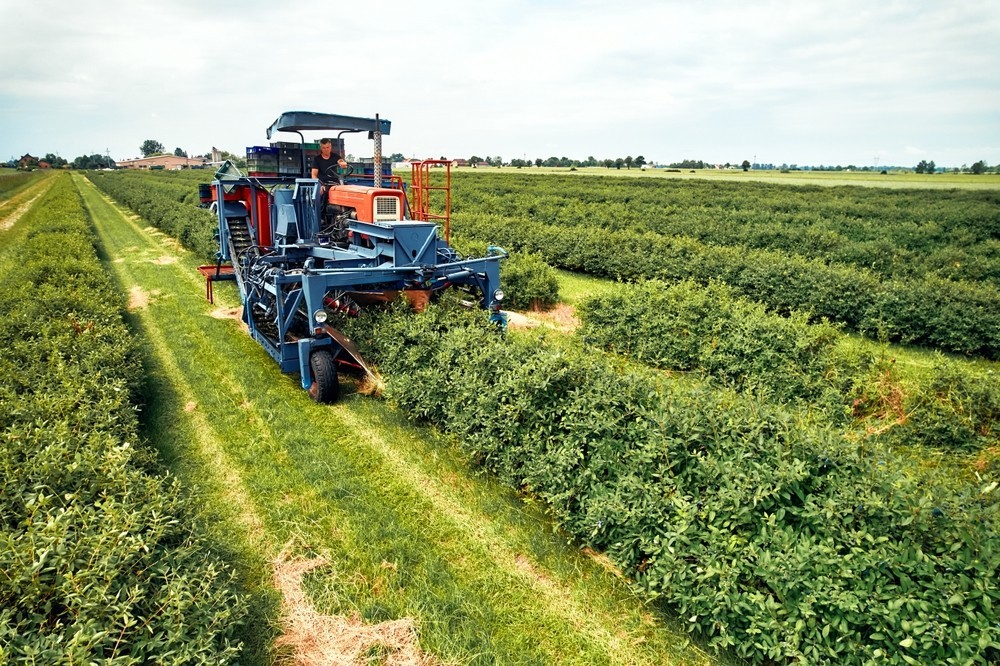
This also means farm loans can be arranged over both short and long terms, with many lenders able to build in deferred or seasonal repayment schedules rather than a fixed monthly amount. An arable farmer buying a combine ahead of harvest, for example, may not see meaningful income for several months, so a repayment structure that reflects this timing can make a real difference to how manageable the finance is.
Finance tailored to you
Get the most competitive quotes from our extensive panel of lenders
Farm loans are typically available from £25,000 up to £500,000, with terms ranging from 6 months to 5 years. Exact amounts and terms depend on the type of finance used and the funder involved, along with the trading history and financial position of the business.
Given the number of finance types that sit under the farm loan umbrella, comparing options across a broad panel of lenders is generally the most reliable way to find a structure that fits, both in terms of the amount available and how repayments are shaped.
Agricultural mortgages: used to purchase or refinance agricultural property, with borrowing secured against the value of the land or buildings. Common uses include acquiring new buildings, purchasing land for future development, renovating existing premises, or expanding current sites.
Working capital loans: short to medium-term funding aimed at covering operational costs. This is often used to keep a farm running smoothly through periods of changing demand or seasonal cash flow pressure.
Unsecured business loans: based on the creditworthiness of the business rather than any asset security. This can suit farms that would rather not offer land or equipment as collateral, and need a quicker, more flexible facility.
Livestock finance: structured to help farmers purchase animals and grow herd or flock numbers. Terms are typically aligned with the revenue cycle of the livestock in question, so repayments track more closely with when income is generated.
Applying for farm finance generally follows three stages:
Information gathering: Once an enquiry is made, a funder will usually ask for recent financial statements, up to six months of bank statements, and personal details for the farm's owners or partners. Exact requirements depend on the business and the purpose of the loan.
Submission to the lender panel: The application is passed to a network of funders, most of whom respond within 48 hours. Identity and verification checks are carried out on the business and its owners as part of this stage.
Agreement and drawdown: Once terms are agreed, documentation is signed and returned, and following final checks, funds are released to the business's account.
Farm loans can support a wide range of agricultural needs, including:
Finance type: Several distinct products sit under the farm loan umbrella, each suited to different needs.
Security: May or may not be required, depending on which type of finance is used.
Purpose: Suitable for both short-term needs and longer-term investment.
Trading history: Businesses will generally need at least 6 months of trading history to be eligible.
Term length: Varies significantly depending on the facility chosen, from 6 months up to 5 years.
The range of finance types available to agricultural businesses, each with its own criteria, security requirements and pricing, can make it difficult to know where to start. A broker can help match a farming business to the right structure and funder, without the business needing to approach multiple lenders individually.
Working through a broader panel can help identity the right farm finance products for your agri-business. As well as this, paperwork can be kept comparatively light where a matching quote for the asset or project is available.
We work with a broad network of banks and alternative funders to compare options tailored to your farming business, from initial enquiry through to funds landing in your account.
If you'd like a quote or want to discuss your requirements, our team can talk you through the options available based on your farm's circumstances and what the funding is for.
Have Any Questions?
Qualified Team Available